
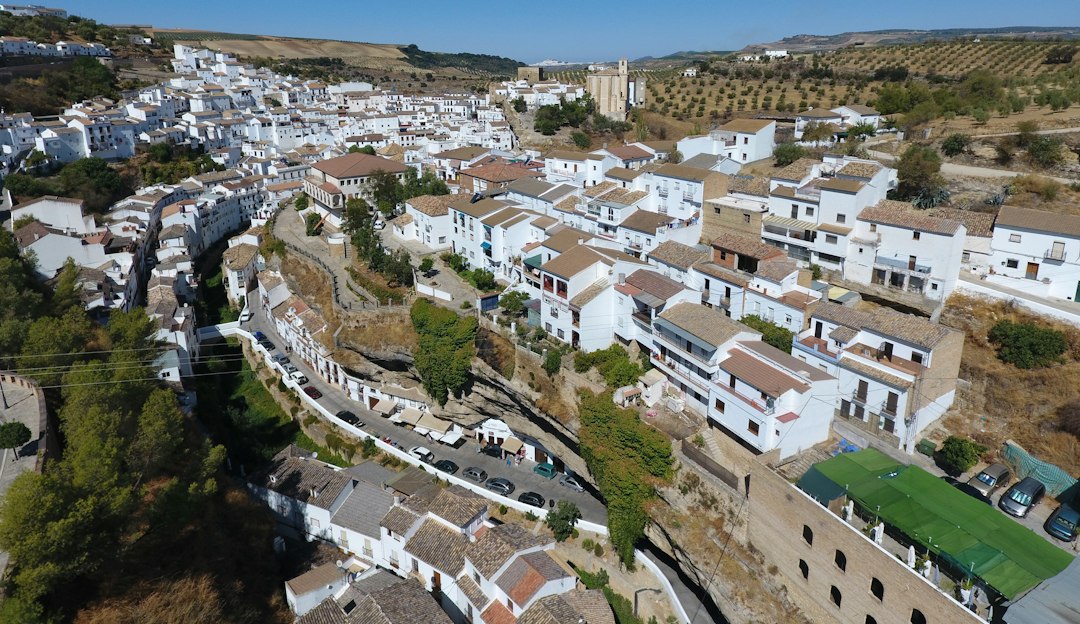
Andalusia
Researched with Zephyrus care
This guide is built from detailed destination research, practical planning and carefully selected sources rather than a one-size-fits-all template. It is designed to give you a strong starting point — and your personal Zephyrus itinerary can go much further, tailored to your dates, pace, interests, budget and travel style.
Andalusia – Beyond the Attractions
ZEPHYRUS TRAVEL DESIGN
Andalusian courtyard / Seville light / warm architectural detail
Beyond the Attractions
Córdoba · Seville · Granada · Ronda · Málaga
A ZEPHYRUS SAMPLE JOURNEY
THE DESTINATION STORY
Andalusia is not one story
It is Roman and Islamic, Jewish and Christian, aristocratic and popular, intensely local and shaped by centuries of movement across the Mediterranean.
This journey follows those layers from Córdoba to Seville, then into Granada before crossing the dramatic landscape around Ronda and ending by the sea in Málaga.
The point is not to collect monuments. It is to understand why the same region can feel completely different from one city to the next – and why its greatest buildings make more sense when you read the histories that overlap inside them.
WHY THIS JOURNEY WORKS
The cities answer one another
Córdoba introduces the layers. Seville expands them into royal, maritime and everyday city life. Granada changes the mood completely, with the Alhambra and Albaicín facing one another across the valley. Ronda adds landscape and scale, while Málaga gives the route a softer Mediterranean ending.
The Zephyrus route
Recommended pace: 8 days · Córdoba → Seville → Granada → Ronda → Málaga
| Day | Area | Main experience |
|---|---|---|
| 1 | Córdoba | Arrival, old town and Roman Bridge |
| 2 | Córdoba → Seville | Mezquita and Judería, then transfer |
| 3–4 | Seville | Alcázar, Cathedral, neighbourhoods and park |
| 5 | Granada | Transfer, Albaicín and view of the Alhambra |
| 6 | Granada | Alhambra and Generalife |
| 7 | Ronda → Málaga | Old town and gorge stop |
| 8 | Málaga | Market, waterfront and departure |
DAY 1
Córdoba: begin with the layers
Arrival · Roman Bridge · old town · first evening in Córdoba
Keep the arrival day deliberately light. Walk the historic centre, cross or view the Roman Bridge and let Córdoba introduce itself before the major monument day.
This is a city where different periods are not neatly separated. Roman foundations, Islamic Córdoba, Jewish history and later Christian rule appear within the same compact urban fabric.
ZEPHYRUS PACE RULE
Do not overload the arrival day
The first evening should establish atmosphere, not turn into a race. Córdoba rewards slow walking, especially once the heat and day-trip crowds begin to fade.
DAY 2
The Mezquita, the Judería – then Seville
Start with the Mezquita-Catedral, then walk through the Judería before travelling to Seville. The sequence matters: see the building before trying to reduce it to a single label.
THE STORY BEHIND THE PLACE
A building made of successive worlds
The Mezquita-Catedral carries visible evidence of changing power, worship and identity. Its meaning is precisely in the coexistence – and tension – of those layers, not in pretending one period erased all the others.
Córdoba – Mezquita arches / courtyard / Judería detail
ZEPHYRUS NOTE
The Sephardic story reaches far beyond Córdoba
The Jewish history of Iberia did not end at the peninsula. After the expulsions of the late 15th century, Sephardic communities formed across the Mediterranean, including in Ottoman Thessaloniki. For Greek travellers, that creates a historical bridge that makes Córdoba feel unexpectedly close.
DAYS 3-4
Seville: power, beauty & everyday life
Real Alcázar · Cathedral & Giralda · Santa Cruz · Plaza de España · María Luisa · Triana
Give Seville two full days. On the first, keep the historic core focused: Real Alcázar and Cathedral/Giralda are enough as the major sights. The rest of the day should belong to walking.
On the second, move outward to Plaza de España and María Luisa, then cross toward Triana. This is where Seville becomes more than monumental architecture and starts to feel lived in.
DON’T JUST SEE IT – NOTICE THIS
Mudéjar is part of the language of Seville
In Seville, Islamic artistic traditions continued to shape Christian buildings and courtly taste. Rather than dividing the city into “Muslim” and “Christian” chapters, notice how forms, craftsmen and aesthetics crossed political boundaries.
Seville – Alcázar detail / tiled courtyard / late-afternoon street
ZEPHYRUS NOTE
Flamenco is not a checkbox
If you include flamenco, choose an intimate setting where the performance is the reason to be there – not a dinner package built around a stage. It should feel like part of the evening, not an attraction to “tick off”.
Why two days here?
Because Seville becomes exhausting when every famous landmark is compressed into one day. The city needs contrast: monumental morning, shaded streets, a slower afternoon, then a neighbourhood evening. That rhythm is part of the destination.
DAY 5
Granada: change the mood
Transfer to Granada · Albaicín · viewpoints · evening beneath the Alhambra
Do not rush straight into the Alhambra on arrival. Let Granada introduce the monument from outside first.
Walk the Albaicín, pause at viewpoints and watch how the Alhambra sits against the Sierra Nevada. Seeing it as part of the landscape makes the next day richer.
WHY WE LIKE THIS SEQUENCE
See the Alhambra before entering it
A landmark changes when you understand its position in the city. The evening viewpoints give you scale, geography and anticipation – something a timed entry ticket cannot provide.
DAY 6
The Alhambra & Generalife
Give this day to the Alhambra and Generalife. Do not pair it with another major attraction simply because the calendar appears to have space.
THE STORY BEHIND THE DESTINATION
Granada is a final chapter – and a beginning
The Nasrid kingdom of Granada was the last Muslim-ruled state in Iberia. Its fall in 1492 is often treated as an ending, but the city that followed was shaped by conversion, displacement, adaptation and the rewriting of space. The Alhambra is beautiful; its history is more complicated than the beauty suggests.
Granada – Alhambra seen from Albaicín / palace detail
ZEPHYRUS NOTE
The best view is part of the story
Do not treat the Albaicín merely as the place to photograph the Alhambra. The view works in both directions: palace and neighbourhood define one another across the valley.
DAY 7
Ronda on the road to Málaga
Granada → Ronda → Málaga
Use Ronda as a meaningful stop rather than a rushed detour. Walk the old town and give the Puente Nuevo enough time to understand the gorge and the geography that made the town possible.
Then continue to Málaga for the final night. The day works because the landscape becomes the experience between two very different Andalusian cities.
WORTH THE DETOUR
Ronda earns its place through landscape
The bridge is the image everyone knows, but the reason Ronda stays with people is scale: rock, gorge, town and countryside compressed into one dramatic setting.
DAY 8
Málaga: finish by the Mediterranean
Old town · market · waterfront · departure
End with a lighter city day. Walk the old town, pass through the market and make time for the waterfront rather than scheduling one last marathon of attractions.
Málaga gives the journey a useful final contrast: after the monumental intensity of Córdoba, Seville and Granada, the route opens toward the sea.
ZEPHYRUS NOTE
The last day should feel like an ending
A well-designed trip does not simply stop when the flight appears on the schedule. The final hours should change the pace, leave room to absorb the journey and make departure feel like a conclusion rather than an interruption.
One optional variation
If Ronda matters more than Málaga, give Ronda an overnight and use Málaga primarily for departure. The route should follow the traveller, not force every traveller into the same version of Andalusia.
BEFORE YOU GO
Practical route logic
A ZEPHYRUS PRACTICAL NOTE
Book the anchors first
The Alhambra and Real Alcázar are the kinds of experiences around which the day should be built. Secure timed-entry anchors first, then shape meals, walks and smaller stops around them – not the other way around.
Heat changes the itinerary
In warmer months, a plan that looks reasonable on paper can feel completely different at 15:00. Use mornings for major outdoor movement, protect the hottest hours and let evenings carry more of the walking and neighbourhood atmosphere.
Do not confuse transfer time with sightseeing time
Córdoba, Seville, Granada, Ronda and Málaga are close enough to combine, but each move still consumes energy: check-out, luggage, stations or parking, orientation and check-in all count. The itinerary works because it limits major sightseeing on transfer days.
What we would personalise in a full itinerary
— Exact rail / car-transfer logic by travel dates
— Accommodation by neighbourhood and evening style
— Timed-entry strategy for Alcázar and Alhambra
— Flamenco venue selection
— Food and market suggestions
— Heat-aware daily pacing
— Family-specific alternatives and rest windows
— Ronda overnight vs. en-route decision
THE ZEPHYRUS DIFFERENCE
This is a Sample Journey.
It shows the route, pace and travel logic we believe make Andalusia work.
A personalised Zephyrus itinerary goes further. It is designed around your dates, your travellers, your budget and the way you actually like to travel.
MAKE THIS JOURNEY YOURS
Andalusia: Beyond the Attractions
Want this journey redesigned around your own dates, pace and travel style? Plan your Andalusia journey with Zephyrus Travel Design.
TRAVEL DEEPER. TRAVEL BETTER.
zephyrustraveldesign.gr
ZEPHYRUS TRAVEL DESIGN • SAMPLE JOURNEY • ANDALUSIA