
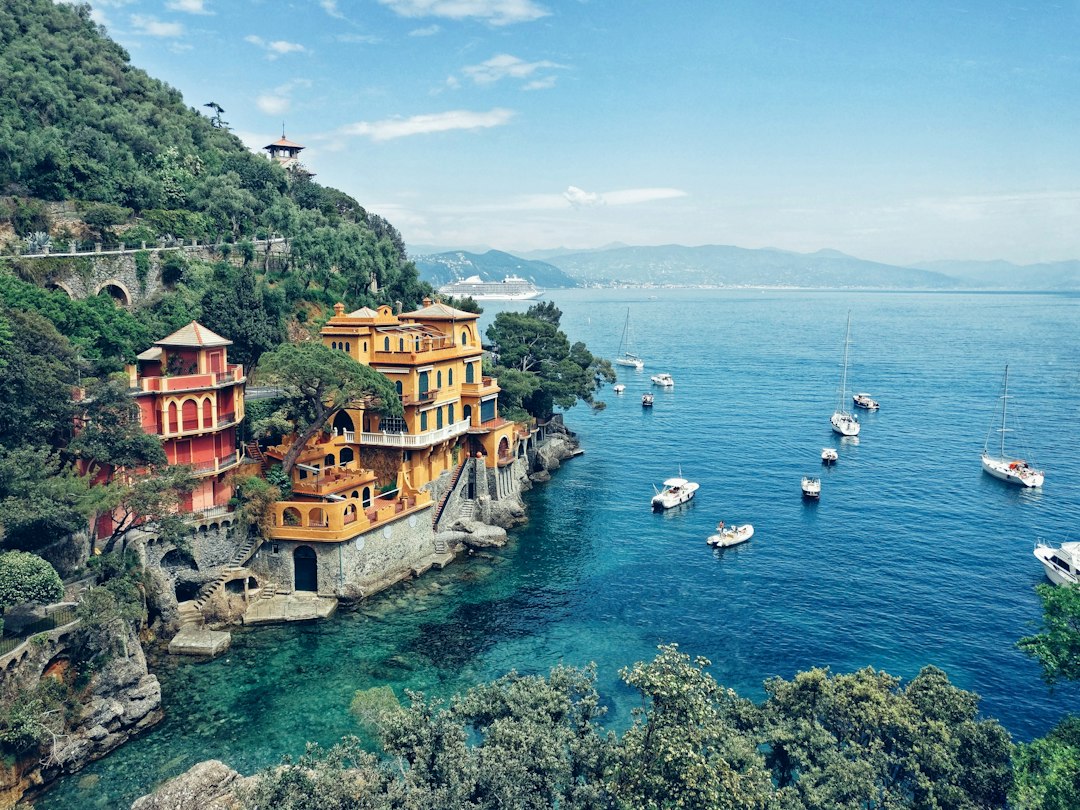
Classic Italy
Researched with Zephyrus care
Zephyrus creator Theodora researches each destination personally, combining practical planning with carefully selected, reliable sources rather than a one-size-fits-all template. This guide gives you a strong starting point — and your own Zephyrus itinerary can go much further, tailored to your dates, pace, interests, budget and travel style.
Classic Italy
Cities, Art & La Dolce Vita
Rome · Florence · Siena · Val d’Orcia · Venice
A ZEPHYRUS SAMPLE JOURNEY
The landscape between the cities · Luca Micheli / Unsplash
Twelve days, four bases, a changing rhythm
Follow Italy from the layers of Rome to the art and streets of Florence, then out into Tuscany before arriving by water in Venice. The great sights anchor the journey; neighbourhoods, meals and pauses give it room to become your own.
A twelve-day sample route including arrival and departure, with eleven nights. The final plan follows your flight times, interests and travel dates.
THE DESTINATION STORY
Let each place change the way you travel
Classic Italy is more than a sequence of famous cities. Rome asks you to read the layers of a living capital. Florence brings art into a compact urban landscape. Tuscany changes the scale from buildings to hills, fields and towns. Venice changes movement itself: the next street may be a canal, and the route home may begin with a bridge.
The journey works because those differences are allowed to remain. Three nights in Rome give the arrival day space to breathe. Three in Florence separate the major art visits. Two in Tuscany let the countryside become a chapter rather than a photograph taken from a moving car. Three in Venice make room for a quieter side of the city after its best-known sights.
WHY THIS JOURNEY WORKS
Rail connects the main cities. A short car chapter opens up rural Tuscany, with collection and return arranged around the stations and restricted traffic areas. The itinerary avoids treating transfer days as full sightseeing days and keeps the busiest visits apart.
ZEPHYRUS PACE RULE
An anchor, then room around it
A major museum or archaeological visit deserves the best part of a day. After it, choose streets, food and a slower evening. The value of the route comes from what you have time to absorb.
The shape of the stay
Rome: 3 nights · Florence: 3 nights · Tuscany: 2 nights · Venice: 3 nights. Accommodation locations matter as much as the hotel category: station access, walking distances, parking and luggage transfers shape the experience.
THE ZEPHYRUS ROUTE
12 days · 11 nights · Four bases
| Day | Base / route | Main experience |
|---|---|---|
| 1 | Rome | Arrival and a light historic-centre walk |
| 2 | Rome | Colosseum, Forum, Palatine and Monti |
| 3 | Rome | Vatican; an optional neighbourhood evening |
| 4 | Rome → Florence | Train, check-in and first city walk |
| 5 | Florence | Uffizi or a selected major art visit |
| 6 | Florence | Accademia, market lunch and Oltrarno |
| 7 | Florence → Tuscany | Car collection, Siena and country base |
| 8 | Val d’Orcia | Scenic roads and one or two town visits |
| 9 | Tuscany → Venice | Car return, train and water-city arrival |
| 10 | Venice | San Marco, Rialto and San Polo |
| 11 | Venice | Dorsoduro and Cannaregio, or a lagoon day |
| 12 | Venice | A gentle finish and departure |
The sequence is a starting point. Museum opening days, reserved entries and transport arrangements may change the order within each stay. Late arrival or early departure reduces the available sightseeing time.
DAYS 1–3
Rome: arrive, then explore the layers
Day 1 — Settle in before setting out. Keep the first walk around Piazza Navona, the Pantheon area and the smaller streets of the historic centre. An interior visit is optional and depends on arrival time and admission arrangements. Choose dinner close enough to make the evening easy.
Day 2 — Give the Colosseum, Roman Forum and Palatine one connected chapter, built around the booked entrance. Allow time for lunch and the size of the archaeological landscape. Finish towards the Capitoline area or Monti if energy allows.
Day 3 — Reserve the Vatican Museums and follow the collections towards the Sistine Chapel. St Peter’s Basilica has separate access and security arrangements; leave a proper break and check the current guidance. A Trastevere evening is optional, not a second compulsory route after a demanding visit.
THE STORY BEHIND THE PLACE
A capital that never stopped changing
Rome’s ancient sites belong to the same urban landscape as later churches, squares and neighbourhoods. Notice the connections between them rather than trying to collect every monument in three days.
Rome’s first great chapter · David Köhler / Unsplash
DAY 4
Florence: change cities, change scale
Rome → Florence by train · Check-in · Duomo area · Piazza della Signoria · Arno
Take the train to Florence at a time that leaves room for breakfast, the station and hotel arrangements. After arrival, leave luggage or check in, pause for lunch, then begin with a straightforward walk through the centre.
Move from the Duomo area towards Piazza della Signoria and the Arno. Ponte Vecchio introduces the river as part of the city rather than just a crossing. Keep the first afternoon outside; the major art visits have their own days.
DON’T JUST SEE IT — NOTICE THIS
Art extends beyond the museum door
Florence’s squares, façades and river views are part of its artistic landscape. The first walk gives the paintings and sculpture you will see later a setting in the city.
ZEPHYRUS NOTE
A transfer day needs a soft landing
Avoid tying the arrival afternoon to an expensive timed entry. Train times, luggage and check-in should support the first walk, not make it a race.
Ponte Vecchio and the Arno · Ilse Orsel / Unsplash
DAYS 5–6
Florence: art, then the streets around it
Day 5 — Make the Uffizi, or another selected major art visit, the anchor. Book through the official channel and choose what matters most to you. After lunch, explore the Santa Croce area and nearby artisan streets. A sunset viewpoint is an option if the day still has energy.
Day 6 — Visit the Accademia at your reserved time, then let the route move towards a market lunch and across the river to Oltrarno. Check market opening arrangements. Santo Spirito and surrounding streets give the afternoon a different pace; leave room for workshops, a coffee and dinner.
ZEPHYRUS PACE RULE
Two art days, two different afternoons
The Uffizi and Accademia do not need to sit back-to-back in one morning. Separating them leaves time to look carefully and lets the neighbourhoods become part of the experience.
THE STORY BEHIND THE PLACE
A city of making as well as masterpieces
Across the Arno, look for the working life around the art: small workshops, everyday shops and neighbourhood squares. Visits to individual studios depend on their opening arrangements.
Florence Cathedral from above · Joseph Quam / Unsplash
DAY 7
Siena: the gateway to the countryside
Florence · Car collection · Siena · Tuscan country base
Collect the car at a location chosen for a practical exit from Florence. Confirm the rental office, opening hours and driving route in advance. Keep clear of restricted traffic areas and use suitable parking outside Siena’s historic centre.
Give Siena time for a proper visit rather than adding another hill town. Walk towards Piazza del Campo, pause for lunch and explore the cathedral area according to your interests and available admission. Continue to the Tuscan base with daylight and check-in in mind.
THE STORY BEHIND THE PLACE
The contrade make Siena a living city
Siena’s neighbourhood identities are expressed through its contrade and the Palio. Their flags, symbols and local institutions belong to daily civic life, not only to the race. The photograph shows the event atmosphere; an ordinary visit has a different rhythm.
ZEPHYRUS NOTE
Choose the base before choosing every stop
A rural hotel, agriturismo or town stay creates different driving and dining needs. Parking, restaurant access and the route to the next day’s towns should shape the choice.
Piazza del Campo during Palio festivities · Lex Brogan / Unsplash
DAY 8
Val d’Orcia: the landscape is the experience
Scenic roads · Pienza or Montepulciano · A second quiet Tuscan night
Build the day around one or two meaningful stops. Pienza suits a compact walk, views and a leisurely lunch. Montepulciano offers a different hill-town experience, with steep streets and time needed for parking and walking. Select the combination that fits the base and your interests.
Leave gaps in the route for a view, a coffee or simply the drive between towns. A wine visit can be arranged as the day’s main appointment, with a suitable transport plan; it should not become another stop squeezed between several towns.
DON’T JUST SEE IT — NOTICE THIS
A shaped landscape, not an empty backdrop
Val d’Orcia’s fields, settlements and routes form a cultural landscape. The relationship between cultivation, towns and the surrounding hills gives the countryside its character. Look at what connects the views, not only at the most photographed point.
ZEPHYRUS PACE RULE
Stay long enough to feel the change
The second night matters. It lets you return to the same base, enjoy an unhurried dinner and finish the countryside chapter without packing again in the afternoon.
Tuscan hills in evening light · Luca Micheli / Unsplash
DAYS 9–10
Venice: arrive by a different rhythm
Day 9 — Leave Tuscany with enough time for the drive, refuelling, car return and onward station transfer. The precise return location must be confirmed before train tickets are booked. Continue to Venice, then allow for the boat or walking transfer to the hotel. Keep the evening to a short walk and a simple meal or cicchetti.
Day 10 — Build the morning around a reserved visit in the San Marco area: the Basilica, Doge’s Palace or a combination that fits your interests and stamina. Leave a lunch break before exploring towards Rialto and San Polo. Return to the water or a nearby square for the evening rather than adding another major interior.
ZEPHYRUS NOTE
The arrival is part of the route
Bridges, boats and luggage change how long the last stretch takes. A station-to-hotel route that looks short on a map may still need planning. Day 9 is a full transfer day, not a promised afternoon of sightseeing.
THE STORY BEHIND THE PLACE
Water changes the city’s geography
The Grand Canal is a working route as well as a famous view. Watch how boats, landing stages and walking routes connect the city. Venice becomes easier to understand once movement is part of what you notice.
The Grand Canal · Kit Suman / Unsplash
DAYS 11–12
Venice: leave room for a quieter city
Day 11 — Explore Dorsoduro, with the Peggy Guggenheim Collection as an optional reserved visit, then choose a slower afternoon in Cannaregio. Keep time for a meal and streets beyond the main sightseeing route.
Alternatively, make this a lagoon day. Choose an island route that works with boat connections and your interests. Murano, Burano and Torcello do not all need to fit into one day; journey time and waiting are part of the excursion.
Day 12 — Have a final coffee or short walk near the hotel if departure time allows. Confirm luggage arrangements and the airport or onward-station transfer. Keep a generous buffer for the water-city journey, especially when an early flight limits transport choices.
ZEPHYRUS PACE RULE
Choose one final chapter
Neighbourhoods and a lagoon excursion offer different endings. Select the one you want rather than trying to compress both into the last full day.
DON’T JUST SEE IT — NOTICE THIS
Each neighbourhood has its own everyday life
Venice’s sestieri give the city more than one character. A market, a small square or an ordinary waterside walk can be as memorable as another famous façade.
Venice from the water · Stephen Walker / Unsplash
BEFORE YOU GO
Reserve the anchors, keep flexibility around them
Arrange the major Rome and Florence visits through official ticket channels. Check museum closing days before fixing the daily sequence. In Venice, confirm the current admission arrangements for the chosen interiors. Opening hours and access conditions can change.
Rail and the Tuscan car chapter
Choose trains after checking hotel and station logistics. Confirm luggage space and the terms of the fare. For the car, verify the exact collection and return offices, hours, parking and routes outside restricted traffic zones. A suitable countryside base should have clear arrival instructions.
Venice, luggage and access requirements
Choose accommodation with a practical arrival route. Confirm which boat stop to use, how many bridges the walk involves and whether luggage assistance is needed. Check the city’s current visitor-access requirements for your dates; overnight stays may require an exemption procedure, so ask the hotel what must be completed.
Make the route yours
For a slower version, extend to thirteen or fourteen days with another Tuscan night or a full extra day in Venice. Families, mobility needs, art enthusiasts and food-focused travellers will each need a different balance. Walking surfaces, hills, bridges and summer heat should influence the final route.
ZEPHYRUS NOTE
Personalisation begins with the practical details
Flight times, walking comfort, room preferences, luggage, driving confidence and the visits that matter most are the starting point. The route is then shaped around you, rather than asking you to fit every line of a sample itinerary.
THE ZEPHYRUS DIFFERENCE
A connected journey, with room to enjoy it
The cities are familiar; the way they fit together makes the difference. Zephyrus connects the places, transport, bases and daily rhythm so that Italy feels like one journey with distinct chapters.
The sample route becomes a personal plan through your dates, interests and preferred pace. Thoughtful sequencing, practical transfers and time between the highlights are as important as the headline sights.
Make this journey yours
Plan your Classic Italy journey with Zephyrus Travel Design. Share your travel dates, who is travelling, the experiences you most want and the pace that feels right for you.
Official planning references
Italian rail connections — https://www.trenitalia.com/en/connections/frecce/frecciarossa.html
Florence restricted traffic zone — https://www.feelflorence.it/en/editorial-staff/car-florence-ztl
Uffizi official ticket guidance — https://www.uffizi.it/en/pages/how-to-purchase-tickets
Accademia official tickets — https://www.galleriaaccademiafirenze.it/en/tickets/
Val d’Orcia cultural landscape — https://whc.unesco.org/en/list/1026/
Siena and its contrade — https://www.visittuscany.com/en/ideas/contrada-museums-in-siena/
Venice access requirements — https://cda.ve.it/en/
Recheck current schedules, tickets and access arrangements for your travel dates.
Photography credits
Real photographs from Unsplash: Luca Micheli (@lucamicheli), David Köhler (@davidkhlr), Ilse Orsel (@lgtts), Joseph Quam (@jquam), Lex Brogan (@lexbrogan), Kit Suman (@cobblepot) and Stephen Walker (@stphnwlkr). Used under the Unsplash licence. Photographer profiles: https://unsplash.com/@ followed by the handle above.
Zephyrus Travel Design • Classic Italy | 1