
Japan
Researched with Zephyrus care
Zephyrus creator Theodora researches each destination personally, combining practical planning with carefully selected, reliable sources rather than a one-size-fits-all template. This guide gives you a strong starting point — and your own Zephyrus itinerary can go much further, tailored to your dates, pace, interests, budget and travel style.
Cities, Tradition & Pop Culture
OSAKA • KYOTO • NARA • KAWAGUCHIKO • TOKYO
A first family journey through Japan that balances temples, food, gaming culture, a theme-park day and time beneath Mount Fuji.
A ZEPHYRUS SAMPLE JOURNEY • 13 DAYS
See a lot without turning the trip into a race.
This route was built around four clear bases: Osaka, Kyoto, Kawaguchiko and Tokyo. It moves naturally from western Japan toward the capital, with Nara as a day trip and only the transfers that genuinely improve the journey.
The result combines modern cities, traditional neighbourhoods, anime and gaming culture, a world-class theme park, food and nature. The goal is not to “finish” Japan, but to give a first family trip enough contrast to feel complete and enough breathing room to remain enjoyable.
WHY THIS JOURNEY WORKS
It moves west to east without unnecessary backtracking
Osaka opens the trip with energy and food, Kyoto slows the pace, Kawaguchiko creates a nature reset and Tokyo finishes with the biggest mix of tradition and pop culture. The sequence reduces repeated transfers and gives each base a different role.
ZEPHYRUS NOTE
This is a family adventure, not a race
The original plan was designed around the principle “see a lot without running”. Long walking days are balanced with lighter evenings and optional activities that can be dropped without damaging the journey.
THE ZEPHYRUS ROUTE
A 13-day family-focused journey from Osaka to Tokyo, with tradition, pop culture and Mount Fuji in between.
| Day | Base / area | Main experience |
|---|---|---|
| 1–3 | OSAKA | Arrival • Osaka Castle • Shinsaibashi • Umeda • Dotonbori |
| 4 | UNIVERSAL STUDIOS | Full theme-park day • Super Nintendo World™ |
| 5–7 | KYOTO / NARA | Fushimi Inari • Higashiyama • Gion • Nara day trip |
| 8–9 | KAWAGUCHIKO | Shinkansen / bus • lake • Fuji viewpoints • slow pace |
| 10–11 | TOKYO | Asakusa • Shibuya • Harajuku • city views |
| 12 | TOKYO | Akihabara / favourites • shopping • flexible final day |
| 13 | DEPARTURE | Airport transfer • protect the international-flight buffer |
PACE RULE
Do not add another city just because the rail network makes it look easy
This journey already combines four bases, a day trip and one full theme-park day. More hotel changes would reduce the family rhythm that makes the route work.
Recommended total: 13 days including long-haul travel. The sample uses 11 nights: Osaka 3, Kyoto 3, Kawaguchiko 2 and Tokyo 3.
DAYS 1–3
OSAKA – ARRIVE THROUGH FOOD, NEON & STREET LIFE
Osaka Castle • Shinsaibashi • Umeda • Dotonbori
After the long journey, keep the first evening light. Then use Osaka to ease into Japan: one historical anchor, one shopping / pop-culture district and one evening built around Dotonbori. Street food is part of the experience here, not an extra task squeezed between attractions.
THE STORY BEHIND THE PLACE
Osaka is the right kind of first city
It is large, modern and easy to navigate, but its food culture and evening street life make the first contact with Japan feel immediate. Dotonbori works best as a place to eat and wander, not as a box to tick after a heavy dinner.
ZEPHYRUS NOTE
Jet lag is sneaky
Do not plan a demanding first night. A short meal and proper sleep are often more valuable than forcing one extra attraction after the long flight.
DAY 4
UNIVERSAL STUDIOS JAPAN – A FULL THEME-PARK DAY
Universal City • Super Nintendo World™ • flexible evening
Give the park its own day. Arrive early, keep tickets and the park app ready, and avoid attaching a major evening plan to the end. For a family that enjoys Nintendo, gaming or themed entertainment, this is a core chapter of the route rather than a guilty detour from “cultural” Japan.
DON’T JUST SEE IT
Notice how Kyoto changes the journey
The point is not that Kyoto is “old Japan” and Osaka is “new Japan”. The contrast is in pace, street scale, ritual spaces and how much more rewarding early mornings become.
WORTH THE DETOUR
Nara works because it is a day trip, not another hotel change
The deer park, Todai-ji and surrounding heritage add another dimension without forcing the family to repack. Keep the day focused and return to Kyoto for the evening.
DAYS 5–7
KYOTO & NARA – SLOW DOWN FOR TRADITION
Fushimi Inari • Higashiyama • Gion • Nara day trip
Move to Kyoto and change rhythm. Use one early start for Fushimi Inari, one day for Higashiyama and Gion, and one day for Nara. The value is not in stacking temples; it is in giving streets, shrines, gardens and everyday neighbourhoods enough time to feel different from Osaka.
ZEPHYRUS NOTE
Go to Fushimi Inari early
Aim to arrive before 08:00 or later in the afternoon. The experience changes dramatically when the torii paths are not dominated by the main crowds.
PACE RULE
Let Kyoto have one slower evening
Higashiyama, Gion and temple visits already create significant walking. Leave one evening open for dinner, a neighbourhood stroll or simply an earlier return to the hotel.
DAYS 8–9
KAWAGUCHIKO – LET MOUNT FUJI SET THE SCHEDULE
Kyoto → Mishima → Kawaguchiko • lake • viewpoints • weather flexibility
Travel toward Fuji and deliberately reduce the number of fixed activities. Oishi Park, the lake, the panoramic ropeway and Chureito-area viewpoints work best when the clearest weather gets priority. Kawaguchiko is a place for moments rather than a dense sightseeing checklist.
TRAVEL NOTE
Fuji visibility is the schedule
If the forecast is clear, rearrange the order of Kawaguchiko activities and prioritise the mountain early. The route should serve the weather, not the other way around.
ZEPHYRUS NOTE
Use the transfer day as part of the experience
Kyoto → Mishima by Shinkansen and onward to Kawaguchiko is not a lost day. A right-side seat may offer an early Fuji view when conditions cooperate, and the afternoon should remain intentionally light.
DAYS 10–12
TOKYO – TRADITION, NEON & THE WORLDS YOU CAME TO SEE
Asakusa • Shibuya • Harajuku • Akihabara • flexible final day
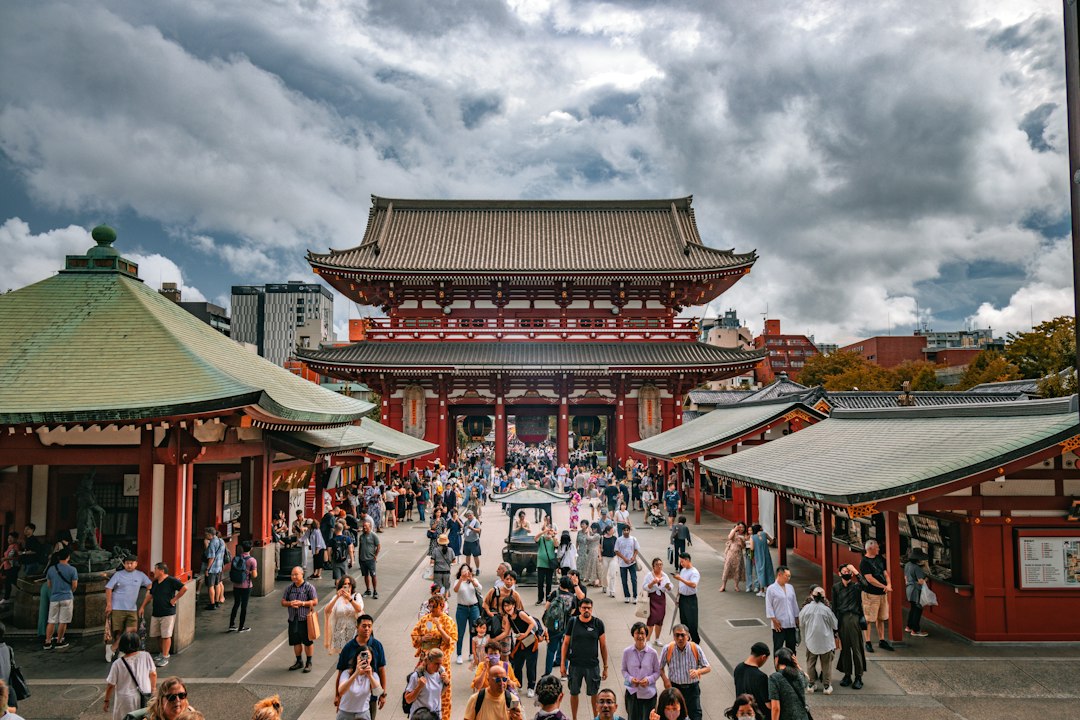
Tokyo needs more than one personality. Pair Asakusa and Senso-ji with a modern district on one day, give Shibuya and Harajuku their own rhythm, and allow generous time for Akihabara if anime and gaming matter to the family. Keep the final day flexible for a favourite neighbourhood, shopping or one last city view.
WHY THIS DAY MATTERS
Kawaguchiko is a place for moments
The lake, Oishi Park, a ropeway view and sunset are enough. Trying to turn the area into a rapid sequence of attractions works against the reason it was added to the trip.
ZEPHYRUS NOTE
Keep one Fuji activity movable
Cloud cover can hide the mountain even on otherwise good days. A flexible order protects the experience far better than rigid timed bookings across both days.
BEFORE YOU GO
Japan rewards preparation – especially when the daily schedule itself remains flexible.
WALKING & PACE
Expect more steps than the map suggests
Walking 15,000–20,000 steps in a day can be completely normal in Japan even when using trains and metro. Comfortable shoes and realistic rest breaks belong in the itinerary.
BUDGET LOGIC
Spend on the moments that are difficult to replace
Theme-park tickets, well-located family rooms, timed views and a practical luggage strategy can improve the journey more than upgrading every meal or attraction.
CULTURE MATTERS
Photography rules and quiet spaces deserve respect
Some temples, museums and private spaces restrict photography. Follow local signs, keep voices down in sacred or residential areas and remember that not every photogenic place exists for visitors.
TRANSPORT LOGIC
Trains are easy; luggage still needs planning
The route uses rail because it reduces backtracking, but station transfers with family luggage can still be tiring. Use smaller bags, hotel laundry and luggage forwarding when it genuinely improves the day.
THE ZEPHYRUS DIFFERENCE
This is a Sample Journey.
It preserves the logic of the original family plan: fewer hotel changes, a west-to-east flow, one dedicated theme-park day and enough space for food, rest and spontaneous discoveries.
A personalised Zephyrus itinerary goes further. It is built around the actual travel dates, family ages, flight options, hotel budget, theme-park priorities and the exact balance between tradition, anime, food and free time.
• hotel areas and family room options
• Shinkansen / local transport and luggage logic
• timed-entry and theme-park booking strategy
• Kyoto and Nara sequencing to reduce crowds
• Fuji weather alternatives and flexible day order
• anime, Nintendo, Pokémon and gaming priorities
• realistic walking loads and rest breaks
• food suggestions for both adults and children
EXPLORE PRIVATE TOURS & LOCAL GUIDES
Discover optional experiences offered by our partner GoWithGuide, and choose what fits your travel style.
Tokyo
Culture & history · Private tours · Private car tours · Local guides · Airport transfers
Kyoto
Culture & history · Private tours · Private car tours · Local guides · Airport transfers
Osaka
Culture & history · Private tours · Private car tours · Local guides · Airport transfers
Hakone
Culture & history · Private tours · Private car tours · Local guides · Airport transfers
Affiliate disclosure: Zephyrus Travel Design may earn a commission from qualifying bookings, at no extra cost to you. Tours and transfers are booked with GoWithGuide; check availability and conditions.
MAKE THIS JOURNEY YOURS
Japan – Cities, Tradition & Pop Culture
Turn this sample into a family journey built around your dates, children’s ages, favourite characters, theme parks, food interests and preferred pace.
Travel deeper. Travel better.